Working with Business Processes Masterclass door Alec Sharp
- Dauer
- Ausführung
- Vor Ort
- Startdatum und Ort

Working with Business Processes Masterclass door Alec Sharp


Bewertung:
Startdaten und Startorte
placeVan der Valk Hotel, Utrecht 8. Jun 2026 bis 10. Jun 2026check_circle Garantierte Durchführung |
Beschreibung
For Overview and Course description in English, please scroll down.
Business processen zijn een belangrijke succesfactor gebleken in moderne bedrijfsvoering, omdat alleen door middel van business processen resultaten verkregen worden en waarde wordt gerealiseerd. Dat maakt dat kennis van inzet van business processen van groot belang is voor zowel de zakelijke professional, die de processen waarvoor hij of zij verantwoordelijk voor is moet verbeteren, als de IT-professional, die de informatiesystemen (zelfbouw of ingekocht) in lijn moet brengen met de business processen.
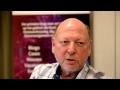
Trainer: internationaal gerenommeerd docent Alec Sharp
De vorige editie van deze interactieve workshop is door de deelne…
Frequently asked questions
Es wurden noch keine FAQ hinterlegt. Falls Sie Fragen haben oder Unterstützung benötigen, kontaktieren Sie unseren Kundenservice. Wir helfen gerne weiter!
For Overview and Course description in English, please scroll down.
Business processen zijn een belangrijke succesfactor gebleken in moderne bedrijfsvoering, omdat alleen door middel van business processen resultaten verkregen worden en waarde wordt gerealiseerd. Dat maakt dat kennis van inzet van business processen van groot belang is voor zowel de zakelijke professional, die de processen waarvoor hij of zij verantwoordelijk voor is moet verbeteren, als de IT-professional, die de informatiesystemen (zelfbouw of ingekocht) in lijn moet brengen met de business processen.
Trainer: internationaal gerenommeerd docent Alec Sharp
De vorige editie van deze interactieve workshop is door de deelnemers gewaardeerd met cijfer 9,3!
Deze BPM workshop geeft deze professionals – architecten, analisten en project managers – een duidelijk overzicht van de modellering, de analyse en het herontwerp van business processen, de bepalende fasen en technieken en de gerelateerde onderwerpen die aangepakt moeten worden.
Als eerste leren de deelnemers wat een “business proces” nu precies is, de hoofdzaken waar men rekening mee dient te houden bij de inzet van processen en de meest voorkomende valkuilen en hoe die te vermijden. Vervolgens leert u business processen te ontdekken, de scope en doelen vast te leggen, het te beoordelen en de doelen van het ‘to-be’ proces vast te stellen, de huidige workflow in kaart te brengen, te analyseren en eventueel aan te passen of een totaal nieuw proces te ontwerpen.
Factoren zoals enterprise brede applicaties, bijv. ERP-implementatie, e-commerce, outsourcing en internationale concurrentie maken vaak herontwerp van business processen noodzakelijk. De opgedane vaardigheden in deze workshop maken het verschil in het welslagen van uw project.
De belangrijkste beginselen worden verduidelijkt door middel van workshop oefeningen en discussies. Business professionals die betrokken zijn bij herontwerp van processen en business analisten die stevige technieken nodig hebben zullen allen profijt hebben bij deze workshop.
Doelen
Bij voltooiing van de workshop zijn deelnemers in staat om:
- Een ‘echt’ business proces te identificeren en de grenzen en
doelen ervan te benoemen
- De bepalende factoren te beschrijven die het onderscheid maken
tussen proces-georiënteerde benadering en een functionele
benadering
- Verschillende technieken om belanghebbenden betrokken te houden
toe te passen en de procesgerichtheid te bevorderen
- De scope, vraagstukken en doelen van een business proces vast te
stellen
- Met behulp van ‘swimlane’ diagrammen de proces workflow in
toenemend detailniveau te modelleren
- De procesmodellering op het juiste moment te stoppen en
overstappen op andere technieken of fasen
- Een gestructureerde assessment van een business proces uit te
voeren
- Een nieuw proces te ontwerpen en daarbij de meest voorkomende en
gevaarlijke valkuilen te vermijden.
Enkele cursusonderwerpen
- Processen, business processen en hoe ze te ontdekken
- Werken met business processen – concepten, terminologie,
uitgangspunten en technieken
- Een concrete, herhaalbare definitie van ‘business process’,
ondersteund met praktische technieken
- Een drie-fasenaanpak voor het uitvoeren van een
procesgeoriënteerd project
- Het proces inkaderen – ontdek een business process en
verduidelijk het doel en de scope
- Eerste beoordeling van het ‘as-is’ process en het bepalen van een
doel voor het ‘to-be’ proces
- Modelleren van de proces workflow – practische tips en technieken
bij het gebruik van ‘swimlane’ diagrammen
- Grip op detail – drie niveaus van workflow-modellen (handoff,
service en taak)
- Wanneer moet u stoppen met modelleren?
- Toepassen workflow modellering op het ‘as-is’ proces –
faciliteren van een proces modelleringssessie
- Eindbeoordeling van het ‘as-is’ proces – een framework voor
beoordelen, de relatie tot herontwerp
- Het ‘to-be’ proces kenschetsen – creatieve verbeteringen
genereren en deze beoordelen
- Het nieuwe proces ontwikkelen – de ‘to-be’ kenmerken omzetten
naar een werkbaar geheel
- Overwegingen om een geheel nieuw proces te ontwikkelen
- De overgang maken naar use cases, procedures en specificaties
- Afronding – samenvatting, tips en hulpbronnen.
Bestemd voor ú
De workshop is bedoeld voor alle functionarissen die betrokken zijn
bij het (her)ontwerpen van business processen in organisaties.
Daaronder vallen onder andere de volgende functies:
• business analisten verantwoordelijk voor het specificeren van
systeemeisen
• procesanalisten die te maken hebben met herontwerp of verbetering
van business processen
• datamanagement en business intelligence specialisten die business
processen ondersteunen
• business managers en content experts die betrokken zijn bij
procesherontwerp of proces-georiënteerde applicatieontwikkeling
• proces- en applicatie-architecten verantwoordelijk voor de
ontwikkeling, coördinatie en promotie van een ondernemingsbrede
visie op het gebied van business processen.
OVERVIEW in English
Business processes matter. Above all else, they matter to the enterprise, because business processes are fundamentally how value is delivered, whether externally or internally. So, understanding how to work with business processes is a vital skill for a wide range of business and IT professionals – business analysts, process architects, application architects, functional area managers, and even corporate executives. But too often, the available courses and literature either float around in generalities and familiar case studies, or descend rapidly into technical details, arcane theories, or incomprehensible models. This workshop is different – in a practical way, it shows how to discover and scope a business process, clarify its context, assess it and establish initial improvement objectives, model its workflow with progressive detail, re-assess it in light of findings from modelling, and design a new process.
With initiatives like enterprise application implementation and e-commerce driving the redesign of business processes, these skills can make a real difference to a project’s success.
Everything is backed up with real-world examples, and clear,
repeatable guidelines. Professionals around the world have
benefited from this workshop and the methods it provides.
Participants will first learn exactly what a “business process” is,
the key factors to consider when dealing with them, and the most
common pitfalls and how to avoid them. On this foundation, the
course moves on to specifying the scope and goals of a business
process, modelling the current workflow, assessing it, and applying
three critical process redesign techniques.
Objectives:
On workshop completion, participants will be able to:
– Identify a “true” business process, and specify its boundaries
and goals
– Describe the key factors that differentiate process-oriented
approaches from functionally-oriented (or
organizationally-oriented) approaches
– Employ a variety of techniques to keep stakeholders involved, and
promote “process orientation”
– Model process workflow at progressive levels of detail using
Swimlane Diagrams
– Stop process modeling at the appropriate point, and move on to
other techniques or phases
– Conduct a structured assessment of a business process
– Develop a process redesign while avoiding common (and serious!)
pitfalls.
Key principles are illustrated throughout with workshop exercises and discussions. Business professionals with responsibility for improving their processes and business analysts needing solid techniques will both benefit from this workshop. The material complements the techniques covered in our Data Modelling workshops, which collectively provide the analyst with a powerful, integrated set of techniques.
Prerequisites:
None. However, business analysts who expect to do extensive
workflow modelling will find that some understanding of information
systems concepts may be helpful in establishing context.
Target Audience:
Business analysts who are responsible for requirements
specification; process analysts involved in business process
re-design or improvement; data management and business intelligence
specialists who support business processes, business managers and
content experts who will participate in process re-design or
process-oriented application development efforts; process or
application architects responsible for developing, coordinating,
and promoting an enterprise-wide view of business processes.
COURSE DESCRIPTION / PROGRAMMA INHOUD
1. Thinking in process terms – concepts, terminology, principles,
and techniques
• Variations on what is meant by “process,” and the impact on
process identification
• Three guidelines for well-formed processes
• What makes a process a “business process?”
• Real-world impacts of incorrectly identifying business
processes
• A clear method for determining when one business process ends,
and another begins
• Example – using this method in identifying “true” business
processes
• Summary – five rules for business processes
• Impact of process identification for application and process
architects
• A brief history of “business processes” – the rise, fall, and
rise again of “BPx”
• Hammer’s legacy – understanding functional and process
perspectives
• The good and the bad, part 1: Why functionally-based
organizations are a good thing
• The good and the bad, part 2: Why functionally-based
organizations introduce process difficulties
• Reconciling the two – philosophies and methods for helping
functions and processes get along
• Introduction to modeling techniques – when to use decomposition,
when to use flow diagrams
• Basic principles – what makes for an effective “swimlane
diagram?”
• A five tier framework for relating business objectives,
processes, applications, and data
• Modeling techniques for each perspective
• Achieving progressive levels of detail – working through scope,
concept, and specification levels
• Understanding the six enablers of a business process
• A three-phase approach to completing a process-oriented
project
• A reading list
2. Discovering your enterprise’s business processes
• “Process areas” – families of related business processes
• Depicting process areas with an “overall process map” or “process
landscape”
• The role of standard process areas such as “Customer Relationship
Management”
• Why top-down process identification often leads to incorrect
results
• A bottom-up method for process discovery
• Beginning your analysis by clarifying terminology – a structured
approach
• Introduction to the major case study
• Hands-on practice with process discovery – team work and group
debrief
3. Framing the process – scope, issues, and goals
• A critical concept in all business analysis – separating the
“what” from the “who and how”
• Four components of the “what” scope definition – the essence of
the process
• Three components of the “who and how” scope definition – the
current implementation
• Tips for ensuring you haven’t defined the process smaller than it
really is
• Case study – hands on practice with documenting process scope
• Initial assessment of the "as-is" process and goal-setting for
the “to-be” process
• A compelling and blame-free format for the case for action, and
methods for communicating it
• Clarifying strategic direction – the process “differentiator”
• Case study – hands on practice with process assessment and goal
specification
4. Workflow models – the basics
• Components and terminology in workflow models (“swimlane
diagrams”)
• Three key factors for useful workflow models
• The most common errors in workflow modeling – missing the point,
“deception by sanitization,” and a rapid descent into detail
• Two real-life examples illustrating why detail and complexity
must be managed
• Avoiding errors with three questions to drive the development of
your initial swimlane diagram
• A real-life example of applying the three questions
• Controlling detail – three levels of workflow model (handoff,
service, and task)
• Definition, use, and example of each of the three levels
• When to stop – how to know when you’ve crossed the line and
aren’t modeling workflow anymore
• Making the transition to use cases, procedures, and task
specifications
5. Workflow models – the finer points
• Recap of the three basic components – actors, steps, and flow –
and terminology variations
• Guidelines for actors – who (or what) can (or cannot) be an actor
on a swimlane diagram?
• Which actors should be shown? Can systems be actors? Can other
processes be actors?
• Guidelines for steps – naming, multi-actor, and sequential,
parallel, and collaborative steps
• A simple translation guide to ensure appropriate step naming
• Guidelines for flow – what that arrow really means, common
errors, parallel vs. exclusive flows
• Representing the basic concepts in BPMN (Business Process
Modeling Notation)
• Business modeling vs. specification modeling, and the problems
with confusing them
• Additional symbols, keeping it simple
6. Techniques for facilitating an as-is workflow modeling
session
• The basics – participants, resources, and tools
• Facilitated session ground rules – specifics for “process”
sessions
• Tips and guidelines to ensure you’ll actually get through the
process
• A reminder – the three questions to drive your initial “handoff
level” workflow model
• After the initial pass – five questions to validate and extend
the model
• Case study – hands on practice with developing the initial
workflow model
• Progressing to further levels of detail
7. Looking ahead – tips for designing the to-be process
• Two common redesign problems, two techniques to avoid them
• Final assessment of the as-is process – a framework for
assessment and its role in redesign
• Characterizing the to-be process – generating creative
improvements
• Uncovering unanticipated consequences – using an enabler-based
assessment to avoid problems and understand the requirements for
process change
• Factors to make the new process sustainable
• Creating the new workflow – turning the to-be characteristics
into a workflow model
TRAINER
Alec Sharp, senior consultant bij Clariteq Systems Consulting, heeft diepgaande expertise in een zeldzame combinatie van werkgebieden – gespreksleiding, strategie ontwikkeling, specificatie van applicatie-requirements, datamodellering en, uiteraard, business proces analyse en herontwerp, van verhoogde verbetering door zakelijke verandering. Zijn 40+ jaar ervaring in hands-on advies, praktische benaderingen en wereldwijde reputatie in modelgedreven methodieken hebben hem gemaakt tot een veelgevraagd adviseur in uiteenlopende locaties als Ierland, Illinois en India.
Hij is tevens een populaire spreker op conferenties gerelateerd aan Business Process Management, Business Analyse en Data Management, waar hij inhoud en inzicht mixt met lichtvoetigheid en humor. Tot zijn vele hooggewaardeerde presentaties behoren “The Lost Art of Conceptual Modelling,” “The Human Side of Data Modelling,” “Getting Traction for ‘Process’ – What the Experts Forget,” “Mind the Gap! – Integrating Process, Data, and Requirements Modelling” en “Adventures in Reverse-Engineering – What You’ve Got and Why You Don’t Like It.”
Alec Sharp is ontvanger van de prestigieuze DAMA Professional Achievement Award, een internationale prijs die eens per jaar wordt gereikt aan de professional die het meest heeft bijgedragen aan het Data Management vakgebied.
Alec schreef letterlijk hét boek over business process modeling – hij is auteur van de tweede editie van “Workflow Modeling: Tools for Process Improvement and Application Development”. Het boek is populair bij professionals op het gebied van procesverbetering, business analisten en consultants, is aanhoudend bestseller op het gebied van business process modelleren en wordt veel gebruikt als MBA-leerboek.
Alec’s educatieve workshops worden virtueel en in-person uitgevoerd bij vele bekende organisaties. Deze omvatten Business-Oriented Data Modelling, Business-Oriented Data Modelling – Masterclass, Working With Business Processes, Advanced Business Process Techniques, alsmede Model-Driven Business Analysis Techniques. Zijn lessen zijn praktisch, energiek en leuk, en krijgen steevast “uitstekende” beoordelingen.
Werden Sie über neue Bewertungen benachrichtigt
Schreiben Sie eine Bewertung
Haben Sie Erfahrung mit diesem Workshop? Schreiben Sie jetzt eine Bewertung und helfen Sie Anderen dabei die richtige Weiterbildung zu wählen. Als Dankeschön spenden wir € 1,00 an Stiftung Edukans.Es wurden noch keine FAQ hinterlegt. Falls Sie Fragen haben oder Unterstützung benötigen, kontaktieren Sie unseren Kundenservice. Wir helfen gerne weiter!